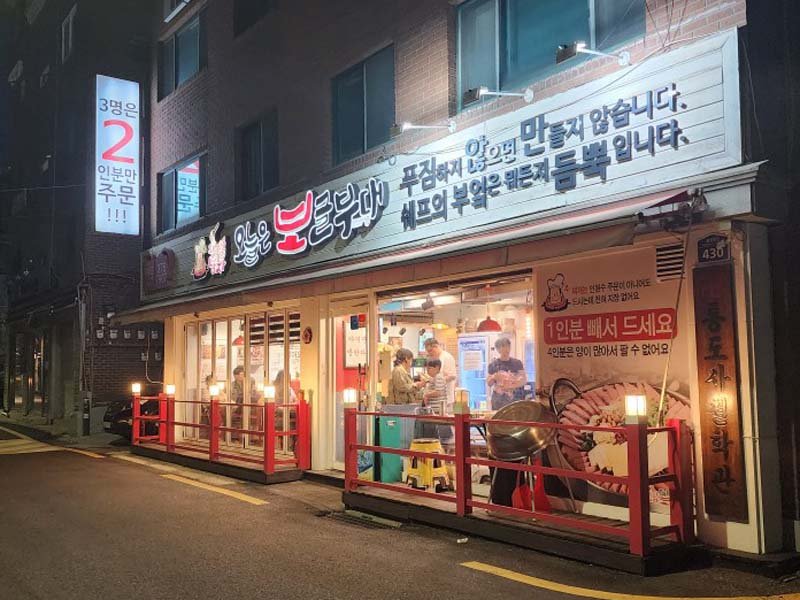
Along the embankment road of Bulgwangcheon Stream—the ecological lifeline and cherished promenade of Eunpyeong-gu—an evening stroll often leads to a restaurant glowing with warm, welcoming light.
Located right next to the Eungam 3-dong Public Parking Lot, it is effortlessly accessible whether traveling by car or stopping by during a riverside walk. Through the expansive glass windows misted with gentle steam, you can see neighborhood regulars gathered in cozy circles around bubbling pots at the end of their day.
Drawn naturally by this comforting scene, you arrive at a beloved local fixture: ‘Oneul-eun Bogle Budae’ (Today’s Bogle Budae).
1. The Origins of Budae Jjigae: Survival, Wisdom, and Flavor Born of Scarcity
The word Budae (部隊) translates to “military unit.” To understand how this iconic dish came to be, we must trace back to the harsh, impoverished years immediately following the Korean War in the 1950s.
In a devastated nation suffering from severe food shortages, processed Western ingredients—such as canned ham, spam, sausages, and baked beans—began trickling out from nearby U.S. military bases. To ordinary Koreans at the time, these foreign rations tasted overly salty and greasy. It was the resourceful ingenuity of Korean mothers that transformed them into something harmonious with the local palate.
- Balancing grease and sodium: Well-fermented aged Kimchi, red pepper paste (Gochujang), coarse red pepper powder (Gochugaru), and minced garlic.
- Anchoring deep umami: A traditional, clear dried-anchovy broth (Myeolchi Yuksu).
Born from a serendipitous yet inevitable fusion between American military provisions and Korea’s millennium-old fermentation culture, Budae Jjigae was fundamentally an act of survival. Today, it stands as one of the most distinctive fusion triumphs in Korean culinary history.
2. Evolution: From Hardship to National Comfort Food
As Korea prospered and ingredients became plentiful, Budae Jjigae blossomed into a beloved national soul food cherished by all generations.
- 1960s–70s: Chewy Ramyeon noodles joined the pot, turning it into a dynamic tableside dish to be shared among friends and family.
- Modern Era: Slices of American cheese, rice cakes, and glass noodles were introduced, creating a rich, creamy savory finish that cuts gracefully through the spicy kick.
Today, Budae Jjigae is both a nostalgic backdrop for youth gathering over a shared pot and a comforting meal where neighbors walking the Bulgwangcheon trail unwind from their day over steaming broth.
3. Generous Local Hospitality: “Please Order One Portion Less!”
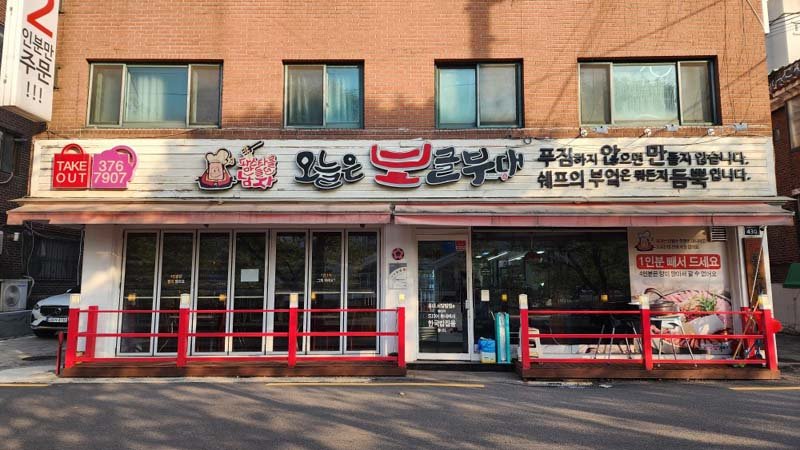
Outside the shop hangs an inviting sign rarely found in commercial franchises:
“Please order one portion less. We cannot sell a 4-person portion because the serving is too large.”
(If you visit in a group of three, please order for two!)
In an era where strict “one order per person” rules dominate, this humble roadside eatery encourages guests to order less to save their wallets and fill their stomachs.
The moment a massive pot arrives—heaped generously to the brim with neatly arranged ham, sausage, tofu, and fresh crown daisy greens (Ssukgat)—you immediately understand why this neighborhood haven has earned lasting devotion.
4. Experiencing Budae Jjigae to the Fullest: A 4-Step Local Dining Guide
Korean communal stew culture is an active culinary ritual where diners adjust the stove flames, manage the ingredients, and tune the flavors at their own table. Here is how to experience ‘Oneul-eun Bogle Budae’ like a true resident.
Step 0. The Appetizer While Waiting: DIY Kimchi Pancake
Right after ordering, you will be handed a small yellow-capped tub filled with orange batter. Do not pour this into the stew pot!
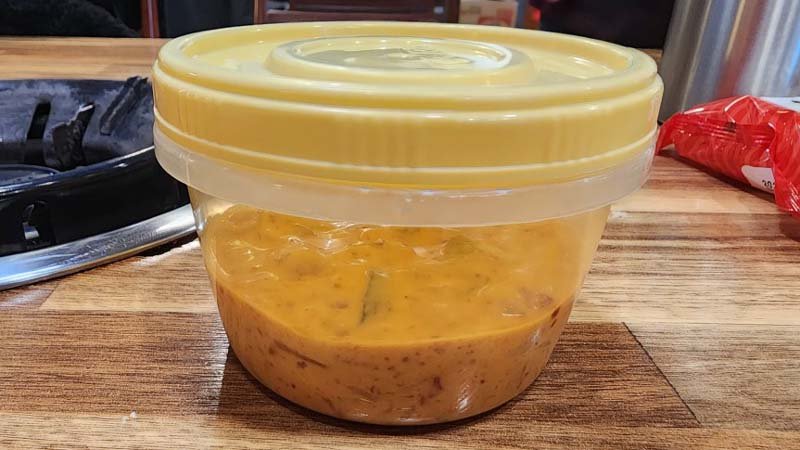
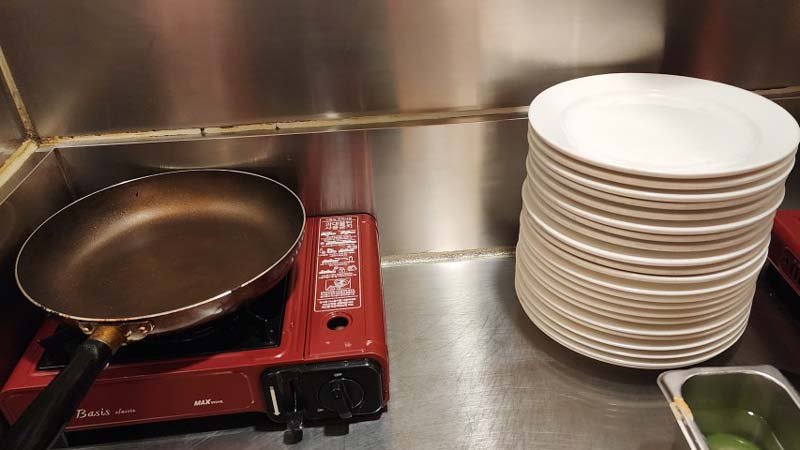
- Head over to the self-cooking counter located at the side of the dining room.
- Drizzle cooking oil into a skillet over the portable burner, then spread the batter thin and wide.
- Once the edges turn golden and crisp, flip it over.
- Savor your freshly fried, crunchy Kimchi pancake (Kimchijeon) as an appetizer while your main stew comes to a boil.
Step 1. The Simmer & The Pure First Broth
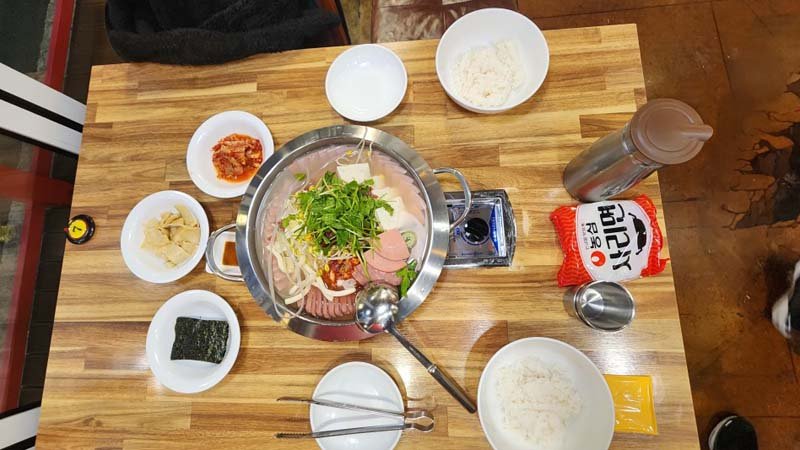
The stew here is served without a lid. Watch the ham, fresh vegetables, and clear broth begin to simmer together under high heat.
- Flame control: As the spicy seasoning paste (Dadaegi) melts into the broth and the greens soften, turn the heat down to medium.
- The first taste: Before starches from noodles or cheese dissolve, ladle a small bowl of the clear, spicy initial broth to savor its pure, unadulterated depth.
Step 2. The Cheese Melt: A Smooth Umami Reversal

The golden rule here is simple: never add the cheese too early.
- The timing: After enjoying some of the ham and vegetables and letting the stew reduce into a rich broth, place the yellow cheese slice gently in the center.
- How to enjoy: Do not stir aggressively. Let it melt gently into the simmering broth with the residual heat. The fiery broth instantly transforms into a velvety, deeply comforting umami stew.
Step 3. The Golden Window for Ramyeon
When roughly half the ham and sausages are enjoyed, it is time for the Ramyeon noodles.
- Pro tip: If the broth has reduced too much, ask the staff for extra broth (“Yuksu juseyo”) before tossing in the noodles.
- Lift the noodles out while they are still springy and firm (Al dente). Leaving them too long will soak up the broth and make the soup starchy.
Step 4. The Grand Finale: The Local Rice Bowl
- Scoop two generous ladles of concentrated stew, tender ham, and soft Kimchi over your wide rice bowl.
- Tear the complimentary crispy seasoned seaweed (Gim) into small pieces over the top.
- Mix thoroughly with a spoon and enjoy by the hearty mouthful.
A hot pot of Budae Jjigae discovered after a refreshing stroll along the breezy Bulgwangcheon embankment is more than a simple dinner—it is an encounter with a living history that turned historical scarcity into warmth and human resilience.
If you ever find yourself walking beside Bulgwangcheon in the quiet evening and catch the savory aroma drifting from misted windows, step inside and savor the unhurried rhythm of this authentic neighborhood meal.